Unlock Nature’s Secret to Effortless Weight Loss
The Real Reason Most Diets Fail
The Calorie Story Falls Short
Most people have been told the same thing for decades: eat less, move more, and the weight will come off. For a while, that often works. But then something frustrating happens. The approach that worked in your twenties stops working in your late thirties or forties. You eat roughly the same food, maintain a similar activity level — and the results aren't there. Or weight comes off slowly only to return the moment you ease up, seemingly with interest.
This isn't a failure of willpower. It's a predictable metabolic shift. As we age, a key enzyme called AMPK — the protein responsible for telling your cells to burn fat instead of store it — becomes progressively less active. A landmark study published in Cell Metabolism found that AMPK activity in skeletal muscle can fall by as much as 50% between the ages of 30 and 70 in people who don't exercise intensively. That isn't a subtle change. A 50% reduction in your body's primary fat-burning signal is exactly the kind of shift that transforms a manageable weight-maintenance routine into a constant uphill struggle, regardless of how carefully you track your calories.
The Insulin Resistance Spiral
Running in parallel with AMPK decline, many adults develop insulin resistance — a condition that makes fat loss dramatically harder and is far more common than most people realize. Here 's a plain-language explanation of what actually happens.
When you eat carbohydrates, they break down to glucose and enter the bloodstream. Insulin is released and functions like a key, unlocking the doors of muscle cells so glucose can enter and be burned as energy. In a metabolically healthy person, this process works smoothly and blood sugar returns to baseline within an hour or two of eating.
Insulin resistance is what happens when those cellular doors start resisting the key. After years of being bombarded by high insulin levels — a consequence of diets heavy in refined carbohydrates and added sugars — muscle cells downregulate their insulin receptors and become less responsive to the signal. Blood glucose lingers in the bloodstream. The pancreas responds by secreting even more insulin to compensate. This extra insulin drives fat storage, particularly around the abdomen, and suppresses AMPK activity even further.
The result is a self-reinforcing cycle: high insulin → reduced AMPK activity → more fat storage → more insulin resistance → higher insulin. Reducing calories can slow the cycle, but it doesn't break it. Breaking the cycle requires targeting the underlying mechanism.
Why Visceral Fat Is a Different Problem
Not all body fat behaves the same way. The fat stored directly under the skin (subcutaneous fat) is largely passive — it stores energy and insulates the body but doesn't interfere much with metabolic signaling. The fat packed around the internal organs — the liver, kidneys, intestines, and pancreas — is something else entirely.
Visceral fat is metabolically active tissue. It secretes inflammatory compounds called adipokines — including TNF-α (tumor necrosis factor alpha), IL-6 (interleukin-6), and resistin — that directly interfere with insulin signaling and suppress AMPK activity. A significant accumulation of visceral fat essentially creates a state of chronic low-grade inflammation that keeps the metabolism locked in fat-storage mode, making fat loss harder the more visceral fat you carry. It's a catch-22 that calorie restriction alone struggles to resolve.
This is why waist circumference is considered a more meaningful metabolic marker than total body weight. Research consistently shows that visceral fat — measured indirectly by waist-to-hip ratio — predicts metabolic disease risk more accurately than BMI, which doesn't distinguish between fat location or type.
A Metabolic Approach to Weight Management
A metabolic approach doesn't ignore calories — energy balance still matters. But it asks a more fundamental question: why does the body resist burning fat in the first place? Why do some people lose weight relatively easily while others, eating identically and exercising the same amount, barely see results?
The answer consistently comes back to the same factors: AMPK activity, insulin sensitivity, chronic inflammation, mitochondrial function, and the body's cellular energy-sensing machinery. When these are working well, fat loss follows naturally from modest caloric adjustments. When they're impaired, even aggressive restriction often fails to produce lasting results because it doesn't fix the underlying dysfunction.
Restoring metabolic health means working on several fronts at once: consistent physical activity (which is the most powerful natural AMPK activator), reducing refined carbohydrate and sugar intake, ensuring adequate sleep (poor sleep reduces insulin sensitivity by up to 25% within days), managing chronic psychological stress (which elevates cortisol and suppresses insulin sensitivity), and — for many people — using targeted nutritional support to reinforce the cellular mechanisms that lifestyle alone may not fully restore.
This is the framework CarboFire was built around: not a shortcut, but a targeted support system for the metabolic processes that determine whether your lifestyle efforts produce the results they should.
50%
Decline in AMPK activity in skeletal muscle between ages 30–70 in sedentary adults (Cell Metabolism)
1 in 3
Adults in the United States meet the clinical criteria for metabolic syndrome — a cluster of conditions driven by insulin resistance
25%
Reduction in insulin sensitivity measurable after just one week of restricted sleep (University of Chicago research)
Want to go deeper on the science? Explore our research-backed articles on metabolism and AMPK.
How CarboFire Supports Your Metabolic Health
Activate Your Body's Metabolic Master Switch
AMPK — AMP-activated protein kinase — is an enzyme present in virtually every cell of your body, and it acts as an intelligent fuel gauge. When cellular energy levels fall, AMPK detects the change and triggers a cascade of metabolic activity: stored fat gets broken down for energy, muscle cells absorb glucose more efficiently, the body builds more mitochondria, and inflammatory signaling is dialled back. When AMPK is working well, your body is in what researchers call a fat-burning, energy-producing state.
The complication is that AMPK activity declines significantly with age. A landmark study in Cell Metabolism found that AMPK activity in skeletal muscle can fall by as much as 50% between ages 30 and 70 in people with sedentary lifestyles. This is not a trivial change. A 50% reduction in your body's primary fat-burning signal is the kind of shift that turns a manageable diet into a genuine struggle, regardless of willpower. Several lifestyle factors accelerate this decline: consistently eating more calories than you need keeps cellular energy (ATP) levels permanently high, removing the stimulus that normally activates AMPK; chronically elevated insulin — a consequence of high-sugar, high-refined-carb diets — suppresses AMPK through the mTOR signaling pathway; and the visceral fat that accumulates around the organs releases inflammatory cytokines that block AMPK signaling directly.
Berberine, derived from Berberis Aristata root, is the most extensively studied natural AMPK activator. Multiple clinical trials have found it activates AMPK through the same pathway as metformin — the most widely prescribed diabetes medication in the world — producing comparable improvements in fasting blood glucose and insulin sensitivity. Alpha-Lipoic Acid reinforces this effect by reducing the oxidative stress that interferes with AMPK signaling and by directly activating AMPK in both muscle and adipose tissue. Together, they create a multi-angle approach to restoring the metabolic master switch that declines so predictably as we age.
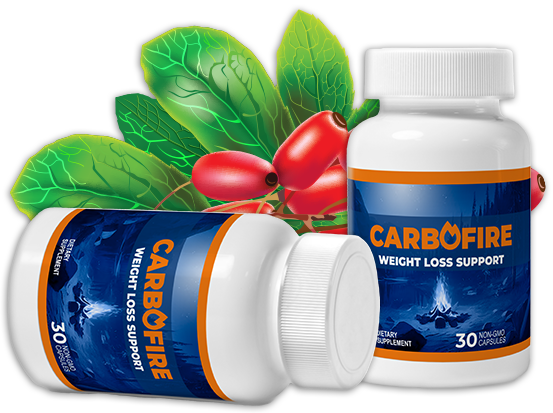
Convert Carbohydrates Into Energy, Not Fat
One of the more important things to understand about carbohydrates is that they aren't inherently the enemy — the problem is what happens to them inside a body where insulin signaling has become impaired. When you eat carbs, they break down to glucose, which enters the bloodstream. Insulin is released and functions like a key, unlocking the doors of muscle cells so glucose can enter and be burned as energy. In a metabolically healthy person, this happens efficiently and blood sugar returns to baseline within an hour or two of eating.
Insulin resistance is what happens when those doors start resisting. Muscle cells, after years of exposure to consistently high insulin levels, become less responsive to the signal. Blood glucose stays elevated longer; the liver, detecting the persistent glucose surplus, converts more of it into triglycerides for fat storage. This is why insulin resistance is so closely tied to weight gain around the abdomen even when total calorie intake hasn't increased dramatically. The food itself hasn't changed — the metabolic machinery processing it has.
Specific natural compounds address this directly at the cellular level. Corosolic acid from Banaba Leaf Extract activates GLUT4 glucose transporters on the surface of muscle cells, essentially helping the doors open more readily without requiring extra insulin. A double-blind clinical study found Banaba Extract reduced post-meal blood glucose levels by up to 30% in subjects with mild type 2 diabetes. Cinnamon's type-A polyphenols appear to mimic insulin at the receptor level, improving glucose uptake through a separate pathway. And chromium picolinate amplifies the insulin signal itself by supporting chromodulin activity — the molecular mechanism that lets insulin bind more effectively to its receptor. The result, when these three ingredients work together, is a meaningfully improved ability to route carbohydrates toward energy production rather than fat storage.

Support Cardiovascular and Long-Term Wellness
The relationship between metabolic health and cardiovascular health is far more direct than most people appreciate. Elevated blood sugar, chronic insulin resistance, and the visceral fat that accumulates alongside them are now recognized as independent risk factors for coronary artery disease — distinct from dietary fat intake or total cholesterol levels. A metabolic approach to health isn't just about the number on the scale; it's about the conditions that determine how long and well you live.
Berberis Aristata stands out among the ingredients in CarboFire because its cardiovascular effects have been documented independently in clinical research. Studies have found that berberine supplementation reduces LDL cholesterol by an average of 21%, lowers triglycerides by approximately 35%, and modestly improves blood pressure markers — results that rival pharmaceutical interventions in some trial populations. These effects appear to work through a mechanism called PCSK9 inhibition, where berberine increases the liver's clearance of LDL particles from the bloodstream.
Alpha-Lipoic Acid contributes a different layer of protection: it reduces the oxidative modification of LDL cholesterol, a process that makes LDL particles more likely to embed in arterial walls and contribute to plaque. By neutralizing reactive oxygen species generated during fat metabolism, ALA helps protect vascular tissue from the kind of cumulative oxidative damage that builds quietly over years. Bitter Melon rounds out this picture with measurable anti-inflammatory properties — relevant because chronic low-grade inflammation is now considered a central driver of atherosclerosis, not just a side effect of it. Taking care of your metabolism means taking care of your heart, whether or not that's the primary reason you started.

Reduce Sugar Cravings and Take Control of Your Appetite
Persistent sugar cravings aren't a personality flaw or a lack of discipline. They are biochemical events driven by blood sugar instability — and once you understand the mechanism, the solution becomes a lot clearer than "just eat less." When you consume refined carbohydrates or sugary foods, blood glucose spikes rapidly. Insulin surges in response, often more aggressively than necessary, and drives blood sugar back down — sometimes below the level you started at. This drop triggers cortisol release and activates the brain's hunger and reward pathways, producing an intense craving that feels urgent and physical rather than optional. The cycle then repeats. Most people experience this rollercoaster multiple times a day without realizing it's driving their eating behavior far more than genuine hunger.
Gymnema Sylvestre targets this cycle in a way unlike any other compound. Its active molecules — gymnemic acids — have a structural shape similar enough to glucose that they temporarily occupy sweet taste receptors on the tongue, blunting the perceived sweetness of foods and dulling the neurological reward signal that makes sugar so compelling. Research published in the Journal of Ethnopharmacology found that Gymnema extract significantly reduced sugar consumption and craving intensity compared to placebo. The plant has been used in Ayurvedic medicine for over two thousand years — it's called gurmar in Hindi, meaning "sugar destroyer," which turns out to be a fairly accurate description.
Chromium stabilizes the situation at the source. By amplifying insulin's signal at the receptor, it helps glucose enter muscle cells more efficiently, preventing the sharp post-meal blood sugar drops that trigger cravings in the first place. This is metabolic appetite management — not suppression through stimulants or chemicals, but rebalancing the blood sugar environment that makes cravings feel inevitable. Many people notice a meaningful reduction in their desire for sweet foods within the first few weeks of consistent use.
100% Natural, Plant-Based, and Non-GMO Formula
The supplement industry has a quality problem that most consumers don't have the tools to navigate. Two products can list the same ingredient on their labels and contain wildly different amounts of the bioactive compound — because supplement labeling laws don't require disclosure of the active fraction within a botanical extract. This is why phrases like "standardized extract" and "verified potency" matter more than most people realize.
CarboFire uses standardized botanical extracts, meaning each batch is tested to confirm the active compound concentration meets its specification — berberine content in Berberis Aristata, gymnemic acid content in Gymnema Sylvestre, corosolic acid content in Banaba Leaf, and so on. The doses used are calibrated to align with the quantities employed in published clinical research, not added simply for label appeal. The manufacturing facility holds Good Manufacturing Practice (GMP) certification, an independent verification that production processes, quality controls, and third-party testing protocols meet current federal standards. This means that what is stated on the label is what is in the capsule, verified by testing rather than just assumed.
The formula contains no stimulants, no synthetic appetite suppressants, and no artificial colorants or preservatives. Every ingredient is plant-derived and non-GMO. The eight botanical compounds and trace minerals in CarboFire each come with a dual record: centuries of use in traditional medicine systems (Ayurveda, traditional Chinese medicine, Filipino folk medicine, and others), and a growing body of modern clinical research confirming their mechanisms. That combination of long human use history alongside controlled clinical evidence is unusual in the supplement world, and it's the standard CarboFire was built around.
Key Ingredients & Their Science
Berberis Aristata
Himalayan barberry root
Activates AMPK pathways
Traditional Use
The Berberis plant — specifically its bright yellow root bark — has been used in Ayurvedic medicine for well over a thousand years, traditionally to manage blood sugar imbalances, digestive issues, and skin conditions. Its active compound, berberine, was first isolated in the 19th century and has since become one of the most studied natural metabolic compounds in clinical literature.
How It Works
Berberine activates AMPK by inhibiting mitochondrial complex I, which raises the cellular AMP-to-ATP ratio and triggers the same energy-sensing cascade that exercise does. This mechanism is closely analogous to that of metformin, the most prescribed diabetes medication globally. Multiple randomized controlled trials have found berberine produces statistically significant reductions in fasting blood glucose, HbA1c (long-term blood sugar average), LDL cholesterol, and triglycerides.
What the Research Shows
A meta-analysis of 27 randomized controlled trials published in Evidence-Based Complementary and Alternative Medicine concluded that berberine outperformed placebo on every major metabolic marker measured, including body weight, waist circumference, and fasting insulin levels. The clinical evidence base is more extensive than for almost any other botanical compound used in metabolic health.
Alpha-Lipoic Acid
Synthesized naturally in the body; also found in spinach, broccoli, and organ meats
Antioxidant and insulin sensitizer
Traditional Use
Alpha-Lipoic Acid was first identified in the 1950s as a cofactor in mitochondrial energy metabolism. Unlike most antioxidants, ALA is soluble in both fat and water, allowing it to function in virtually every cellular compartment — membranes, cytoplasm, and mitochondria alike. This dual solubility makes it unusually versatile as a protective compound during the oxidative stress that accompanies metabolic activity.
How It Works
ALA activates AMPK in skeletal muscle and adipose tissue through a mechanism distinct from berberine, providing complementary coverage across different tissue types. It also regenerates other antioxidants including vitamins C and E and glutathione — essentially acting as a recycling agent for the entire antioxidant network. Crucially, it reduces the oxidative modification of LDL cholesterol, which is a key step in cardiovascular plaque formation.
What the Research Shows
Research published in Diabetes Care found that ALA supplementation significantly improved insulin-stimulated glucose disposal in patients with type 2 diabetes. A meta-analysis of ALA trials found consistent, modest reductions in body weight (particularly abdominal fat) and meaningful improvements in insulin sensitivity markers across diverse study populations. The evidence is especially strong for peripheral neuropathy associated with diabetes, where ALA is used clinically in several European countries.
Gymnema Sylvestre
Tropical forest vine native to central and southern India and parts of Africa
Reduces sugar cravings and supports healthy glucose levels
Traditional Use
In Hindi, Gymnema Sylvestre is called gurmar — literally "sugar destroyer." This name reflects its most striking property: chewing the leaves temporarily eliminates the ability to taste sweetness. Ayurvedic practitioners have used it for over 2,000 years to treat conditions now recognizable as insulin resistance and type 2 diabetes. It is one of the oldest documented plants for metabolic health management in human use.
How It Works
The active compounds in Gymnema — gymnemic acids — share a structural resemblance to glucose molecules that is close enough for them to occupy sweet taste receptors on the tongue, temporarily reducing the perceived sweetness of foods. This dulls the neurological reward response that makes sweet foods compelling, reducing the drive to consume them. Beyond taste, Gymnema appears to support regeneration of insulin-producing beta cells in the pancreas and to enhance insulin secretion, particularly after meals.
What the Research Shows
A 12-month randomized trial published in the Journal of Ethnopharmacology found that Gymnema extract significantly reduced fasting blood glucose and HbA1c in patients with type 2 diabetes compared to conventional treatment alone. A separate study showed significant reductions in sugar cravings and spontaneous sweet food intake. The compound also appears to inhibit glucose absorption in the intestine by blocking the sodium-glucose cotransporter SGLT1, adding another pathway of blood sugar support.
Banaba Leaf Extract
Lagerstroemia speciosa, a flowering tree native to Southeast Asia
Facilitates cellular glucose uptake
Traditional Use
Banaba has been used in traditional Filipino and Southeast Asian medicine for generations as a remedy for diabetes and kidney problems. The large-leafed tree is common across the Philippines, India, and Malaysia, and its leaves are often brewed as a tea — a practice documented in the Philippines since at least the 16th century. Modern pharmacological research began investigating it seriously in the 1990s, identifying corosolic acid as its primary bioactive compound.
How It Works
Corosolic acid works by activating GLUT4 glucose transporters on the surface of muscle and fat cells. GLUT4 is the primary protein responsible for moving glucose from the bloodstream into cells — essentially opening the cellular gates that let glucose in for energy use. By activating these transporters more readily, Banaba Leaf Extract helps clear glucose from the bloodstream faster after meals, without requiring additional insulin to do so. It also contains ellagitannins, which inhibit alpha-glucosidase — an intestinal enzyme that breaks down dietary starch — thereby slowing the absorption of carbohydrates and blunting post-meal glucose spikes.
What the Research Shows
A double-blind, placebo-controlled study published in the Journal of Diabetes found that a standardized Banaba leaf extract reduced 2-hour post-meal blood glucose levels by up to 30% compared to placebo in subjects with mild type 2 diabetes. Multiple smaller trials have confirmed reductions in fasting glucose and post-meal glucose area under the curve, making it one of the better-documented botanical compounds for acute blood sugar management.
Bitter Melon
Momordica charantia, a tropical fruit cultivated across Asia, Africa, and the Caribbean
Multi-pathway blood sugar support
Traditional Use
Bitter melon is one of the most widely used medicinal plants in the world. It appears in the traditional medicine systems of India (Ayurveda), China, Latin America, and East Africa — a geographic breadth of traditional use that is itself a meaningful signal of consistent observed effects across diverse populations. In many parts of Asia, it remains a dietary staple as well as a medicinal plant, consumed regularly as a vegetable or juice.
How It Works
Unlike most botanicals that work through a single mechanism, bitter melon contains at least three distinct bioactive compounds with independently documented blood sugar effects: charantin, a steroidal glycoside that stimulates glucose uptake in peripheral tissues; vicine, a pyrimidine nucleoside with insulin-like activity; and polypeptide-p, sometimes called plant insulin because of its structural resemblance to human insulin. These compounds activate AMPK, reduce hepatic glucose production (gluconeogenesis), and improve peripheral insulin sensitivity simultaneously — a multi-pathway metabolic action that is relatively unusual in a single natural ingredient.
What the Research Shows
A systematic review covering over 4,500 subjects across multiple randomized trials, published in the Journal of Ethnopharmacology, concluded that bitter melon supplementation was associated with a statistically significant reduction in fasting blood glucose and HbA1c in individuals with impaired glucose tolerance and type 2 diabetes. Several individual trials have also demonstrated reductions in visceral fat and improvements in lipid profiles alongside blood sugar benefits.
Cinnamon Extract
Cinnamomum verum, the inner bark of the Ceylon cinnamon tree
Improves insulin receptor sensitivity
Traditional Use
Cinnamon has one of the longest documented histories of any spice in medicinal use — references to its health properties appear in ancient Chinese texts from roughly 2700 BCE and in early Egyptian records. It was traded along ancient spice routes partly for its medicinal value. In the context of metabolic health, cinnamon has been used in traditional medicine across South Asia and the Middle East to support blood sugar balance, a use that modern research has begun to validate mechanistically.
How It Works
The key distinction in CarboFire is the use of Ceylon cinnamon extract rather than cassia cinnamon powder. Cassia, the more common supermarket variety, contains significant levels of coumarin, which can be hepatotoxic at high doses. Ceylon cinnamon contains negligible coumarin and far higher concentrations of the bioactive type-A polymers responsible for insulin-sensitizing effects. These polymers appear to activate insulin receptors and post-receptor signaling pathways independently of insulin itself, improving cellular glucose uptake through a mechanism distinct from the other ingredients in the formula. Extract form ensures consistent, concentrated delivery of the active compounds without the coumarin risk.
What the Research Shows
A meta-analysis of 10 randomized controlled trials published in the Journal of Traditional and Complementary Medicine found that cinnamon supplementation produced a statistically significant average reduction in fasting blood glucose of 24 mg/dL, alongside improvements in LDL cholesterol and triglycerides. The effects were more pronounced in subjects with higher baseline blood glucose, suggesting particular benefit for people with insulin resistance or prediabetes.
Chromium
Essential trace mineral; present in whole grains, lean meats, broccoli, and grape juice
Enhances insulin function and carbohydrate metabolism
Traditional Use
Chromium was identified as an essential nutrient in 1959 by researchers at the National Institutes of Health, who found that laboratory animals deficient in chromium developed impaired glucose tolerance that could be corrected by supplementation. Since then, human studies have confirmed that chromium plays a specific functional role in the insulin signaling cascade — a role that is easy to underestimate because the mineral is needed in only microgram quantities, but whose absence produces measurable metabolic consequences.
How It Works
Chromium is a component of a small molecule called chromodulin (also known as low-molecular-weight chromium-binding substance or LMWCr), which potentiates the activity of the insulin receptor. When insulin binds to its receptor on the cell surface, chromodulin amplifies the resulting signal, increasing the cell's sensitivity to insulin's instruction to take in glucose. Modern diets dominated by refined grains, processed foods, and sugar have lower chromium content than traditional whole-food diets, and chromium is also lost in urine in proportion to glucose intake — meaning that people who eat more sugar may be progressively depleting the mineral that helps their cells respond to it.
What the Research Shows
A meta-analysis of 28 randomized controlled trials covering over 1,000 participants found that chromium picolinate supplementation — the most bioavailable form — produced significant improvements in fasting blood glucose, insulin resistance (as measured by HOMA-IR), and lipid profiles in people with diabetes or impaired glucose tolerance. Several trials have also documented reductions in body fat percentage and improvements in lean mass composition with chromium supplementation over 12 or more weeks.
Vanadium
Trace element found in mushrooms, shellfish, black pepper, dill, and certain grains
Insulin-mimicking properties that support glucose metabolism
Traditional Use
Vanadium was first proposed as a potential treatment for diabetes in the late 19th century by French pharmacologist Louis-Gustave Lyonnet, who observed hypoglycemic effects in animals. Its insulin-mimicking properties were more systematically studied starting in the 1980s, when researchers found that vanadyl sulfate and other vanadium compounds could normalize blood glucose in diabetic animal models. Human clinical work followed, though on a smaller scale than for berberine or chromium.
How It Works
Vanadium compounds activate several components of the insulin signaling cascade downstream of the receptor, particularly the phosphoinositide 3-kinase (PI3K) pathway, which mediates glucose transport into cells. This means vanadium can support cellular glucose metabolism even when insulin receptor sensitivity is reduced — it effectively bypasses part of the impaired signaling chain. In CarboFire, vanadium functions as a synergistic supporting compound, adding an additional pathway of insulin-independent glucose metabolism support to the actions of the other ingredients.
What the Research Shows
Small clinical trials have found that vanadyl sulfate supplementation improved fasting blood glucose and insulin sensitivity in people with type 2 diabetes, with effects persisting for several weeks after supplementation ended. While the vanadium evidence base is less extensive than that for berberine, chromium, or ALA, it adds a meaningful additional mechanism to the formula — one that operates through a distinct pathway and complements rather than duplicates the actions of the other seven ingredients.
Frequently Asked Questions
What is AMPK and why does it matter for weight loss?
AMPK (AMP-activated protein kinase) is an enzyme present in virtually every cell of the human body, and it acts as an energy sensor — detecting when cellular fuel levels are low and responding by activating fat burning, improving glucose uptake, and building more efficient mitochondria. Researchers often describe it as the metabolic master switch. When AMPK is working well, your body prefers to burn stored fat for fuel and efficiently clears blood sugar. When AMPK activity is low — which happens progressively with age, physical inactivity, chronically elevated insulin, and excess visceral fat — the body tends to store energy rather than burn it. A study in Cell Metabolism found AMPK activity in skeletal muscle can decline by up to 50% between the ages of 30 and 70 in sedentary individuals. This is one of the most clinically significant but least discussed reasons why weight loss becomes harder with age.
How does CarboFire support my metabolism?
CarboFire combines eight plant-based nutrients that have been studied for their ability to activate AMPK pathways, improve insulin receptor sensitivity, and support the cellular machinery that converts carbohydrates into energy rather than storing them as fat. The formula addresses metabolic health from multiple angles simultaneously — AMPK activation through berberine and Alpha-Lipoic Acid, glucose transport support through Banaba Leaf and Cinnamon Extract, insulin signal amplification through chromium, craving reduction through Gymnema Sylvestre, and multi-pathway blood sugar support through Bitter Melon and Vanadium. Rather than relying on a single mechanism, the multi-ingredient approach is designed to reinforce metabolic balance across several interconnected systems at once. This reflects how metabolic dysfunction actually works — it rarely has a single cause, so a single-ingredient fix is rarely sufficient.
What are the main ingredients in CarboFire?
CarboFire features eight scientifically studied botanicals and micronutrients: Berberis Aristata (providing berberine, the most extensively researched natural AMPK activator), Alpha-Lipoic Acid (a dual fat-and-water-soluble antioxidant that also enhances insulin sensitivity), Gymnema Sylvestre (an Ayurvedic herb that reduces sugar cravings and supports insulin production), Banaba Leaf Extract (containing corosolic acid, which activates GLUT4 glucose transporters in muscle cells), Bitter Melon (a tropical fruit with three distinct bioactive compounds including polypeptide-p, sometimes called plant insulin), Cinnamon Extract from Ceylon cinnamon (containing type-A polyphenols that improve insulin receptor sensitivity), Chromium picolinate (a trace mineral essential for chromodulin activity, which amplifies the insulin signal), and Vanadium as vanadyl sulfate (a trace element that activates downstream insulin signaling pathways independently of the receptor). All ingredients are plant-derived, non-GMO, and manufactured under GMP-certified conditions.
How long does it take to see results with CarboFire?
Results vary considerably depending on starting metabolic health, diet quality, activity level, and consistency of use. Most people report noticing changes in energy levels and a reduction in sugar cravings within the first two to four weeks — these tend to be the most immediate effects because blood sugar stabilization happens relatively quickly. More visible changes in body composition — particularly around the abdomen, where visceral fat tends to accumulate first and lose mass most noticeably — are typically reported after eight to twelve weeks of consistent use. Clinical trials of berberine and chromium, two of the primary ingredients, used study durations of eight to twelve weeks to measure meaningful changes in metabolic markers. CarboFire is not a rapid weight-loss product; it is a metabolic support formula designed for sustained use alongside a balanced diet and regular exercise.
Is CarboFire suitable for vegetarians and vegans?
Yes. Every ingredient in CarboFire is derived from plant or mineral sources, and the formula contains no animal-derived components. It is suitable for vegetarians and vegans. It is also free from artificial colors, artificial flavors, and preservatives.
Can I take CarboFire if I have a medical condition or take medications?
If you have a diagnosed health condition — particularly diabetes, prediabetes, cardiovascular disease, thyroid disorders, or any condition for which you take prescription medication — consult your doctor before starting CarboFire. This isn't a generic disclaimer. It's genuinely important because several of the ingredients, particularly berberine, have meaningful blood sugar-lowering effects. Combined with diabetes medications or insulin, this could potentially lower blood glucose further than intended. Berberine also has documented interactions with blood thinners like warfarin and with cyclosporine. Your doctor can assess whether CarboFire is appropriate for your specific situation and help you monitor for any changes in how your medications are working.
Does CarboFire replace diet and exercise?
No — and any supplement that claims to be a substitute for healthy eating and movement should raise immediate skepticism. CarboFire is designed to support and enhance metabolic health when used alongside the lifestyle foundations that matter most: a diet lower in refined carbohydrates and ultra-processed foods, regular physical activity (ideally including both aerobic exercise and resistance training), adequate sleep, and stress management. The metabolic benefits of the ingredients in CarboFire work most effectively when the insulin load isn't constantly overwhelmed by poor dietary choices. Think of it as a tool that improves the efficiency of your body's metabolic systems — it works best when those systems are given the right conditions to operate in.
Are there any side effects?
CarboFire's plant-based formula is generally well-tolerated, but mild digestive discomfort — including loose stools, bloating, or mild stomach cramps — can occur during the first few days of use as the digestive system adjusts, particularly to berberine. This is consistent with what's observed in berberine clinical trials and typically resolves within a week. Taking CarboFire with food rather than on an empty stomach can reduce the likelihood of digestive side effects. If you experience persistent or severe symptoms, stop use and consult a healthcare professional. CarboFire is not recommended for pregnant or breastfeeding women without medical supervision.
How should I take CarboFire for best results?
Follow the dosage instructions on the product label. CarboFire is designed to be taken before meals, which positions the ingredients to support blood sugar management and carbohydrate metabolism at the time when it matters most — when glucose is entering the bloodstream. Consistency is more important than timing precision; taking it at the same time each day helps maintain steady ingredient levels and supports sustained metabolic effects. Most clinical evidence for the primary ingredients (berberine, chromium, Gymnema) comes from trials where supplementation was maintained daily for at least eight weeks, suggesting that consistent, long-term use is more important than short-term intensive use.
Is there a money-back guarantee?
Yes. CarboFire is backed by a satisfaction guarantee. If you are not satisfied with your results, you can request a full refund within the specified return window. Please refer to the product purchase page for the specific terms, the length of the guarantee period, and instructions for initiating a return.
What makes CarboFire different from other weight loss supplements?
Most weight loss supplements rely on stimulants (caffeine, synephrine, guarana) that temporarily raise heart rate and metabolic rate through adrenergic stimulation — an effect that diminishes with tolerance and comes with side effects including jitteriness, sleep disruption, and cardiovascular stress. CarboFire contains no stimulants. Instead, it targets the underlying cellular mechanisms that regulate metabolism: AMPK activity, insulin receptor sensitivity, glucose transport, and blood sugar stability. The multi-pathway approach — eight ingredients working through distinct but complementary mechanisms — reflects the actual complexity of metabolic health rather than relying on a single dramatic effect. The ingredients also have one of the stronger evidence bases in the botanical supplement space, with meta-analyses and multiple independent randomized controlled trials behind the primary components.
Can CarboFire help with belly fat specifically?
The abdominal fat that CarboFire is most relevant to is visceral fat — the fat deposited around the internal organs rather than directly under the skin. This type of fat is metabolically active and is closely linked to insulin resistance, elevated triglycerides, and chronic inflammation. When AMPK activity is restored and insulin sensitivity improves, visceral fat tends to respond earlier than subcutaneous fat. This is consistent with clinical trial findings for berberine and ALA, both of which have shown reductions in waist circumference and visceral fat markers alongside their blood glucose effects. That said, targeted fat loss at a specific body site isn't physiologically possible through supplementation alone — overall fat reduction requires a caloric environment that permits it, and CarboFire supports the metabolic conditions that make that process more efficient.
How does berberine compare to metformin?
Berberine and metformin activate AMPK through the same primary mechanism — inhibition of mitochondrial complex I — and several head-to-head clinical trials have found broadly similar effects on fasting blood glucose, HbA1c, and lipid profiles in people with type 2 diabetes. This comparison has generated significant research interest because berberine, unlike metformin, also reduces LDL cholesterol and triglycerides through a separate PCSK9-inhibiting mechanism. However, metformin has decades of real-world safety data, is prescribed under medical supervision, and has established benefits beyond blood sugar including cardiovascular protection. Berberine should not be treated as a self-prescribed substitute for prescribed medication — if you have type 2 diabetes managed with metformin or other medications, discuss any supplementation changes with your doctor.
Is it safe to take CarboFire long-term?
The ingredients in CarboFire have long traditional use histories and acceptable safety profiles in the research literature. Berberine has been studied in clinical trials lasting up to 12 months without significant safety concerns in healthy adults. Alpha-Lipoic Acid and chromium are widely used in long-term studies without adverse effects at the doses typically used in supplements. Gymnema has centuries of documented safe use in Ayurvedic medicine. No specific cycling protocol is required, but as with any supplement, periodic reassessment is sensible — particularly if your health status, medications, or lifestyle change. If you have ongoing medical care, keep your doctor informed about the supplements you take.
What dietary changes work best alongside CarboFire?
CarboFire works synergistically with a diet that reduces the insulin load and minimizes blood sugar spikes — but this doesn't have to mean a strictly low-carb diet. The most consistently supported dietary pattern for metabolic health is one built around whole, minimally processed foods: vegetables, legumes, whole grains rather than refined grains, adequate protein from diverse sources, healthy fats, and limited added sugar and ultra-processed foods. Reducing liquid calories from sugary drinks and fruit juices has a disproportionately large effect on blood sugar stability because liquids raise glucose faster than solid foods. The timing of meals matters too — avoiding late-night eating and extending the overnight fast to 12 or more hours activates AMPK through a mild caloric restriction signal, complementing the direct AMPK activation from the supplement ingredients.
Does CarboFire affect energy levels during the day?
Many users report improved, more stable energy levels within the first few weeks of use — a different quality of energy than the short-lived lift from caffeine. This is consistent with the metabolic mechanism: when cells become better at absorbing and burning glucose, and when AMPK promotes mitochondrial biogenesis (the production of new energy-generating organelles), the fundamental capacity for cellular energy production improves. The absence of mid-afternoon energy crashes that often accompany blood sugar instability is one of the more commonly noticed early effects. Because CarboFire contains no stimulants, this doesn't come with the tolerance development, jitteriness, or sleep disruption that often accompany caffeine-based products.
Will I regain weight if I stop taking CarboFire?
This depends almost entirely on whether the lifestyle changes made during supplementation are maintained. If improved dietary habits and physical activity are sustained, the metabolic improvements they produce — including better insulin sensitivity and more active AMPK — can persist. If diet and exercise habits revert to what they were before, metabolic health will tend to revert over time as well. CarboFire supports and accelerates metabolic improvement; it doesn't create it from nothing and it doesn't maintain it independently of lifestyle. The practical implication: use the period of supplementation as an opportunity to build the habits that maintain metabolic health in the long term, so that the improvements don't depend solely on continued supplementation.
Is CarboFire appropriate for people over 50?
CarboFire is particularly relevant for people over 50 because AMPK activity and insulin sensitivity both decline most noticeably in midlife and beyond, and the metabolic consequences — slower fat burning, more visceral fat accumulation, higher fasting blood sugar — are exactly the conditions the formula addresses. The ingredients have been studied in adult populations across a wide age range. One consideration for older adults taking multiple medications is the interaction potential of berberine with certain drugs; if you're over 50 and managing several conditions with prescription medications, review the ingredient list with your pharmacist or physician before starting.
Can CarboFire be taken alongside other supplements?
Most common supplements — multivitamins, fish oil, vitamin D, magnesium — are compatible with CarboFire without known interactions. The primary interaction concern is with other supplements or herbs that also lower blood sugar (such as cinnamon, berberine, or alpha-lipoic acid taken separately), where combining them with CarboFire could theoretically produce an additive blood sugar-lowering effect beyond what either would achieve alone. If you are taking multiple metabolic support supplements, be aware of this and monitor how you feel, particularly for symptoms of low blood sugar (lightheadedness, shakiness, unusual hunger). For anyone on prescription medications that affect blood glucose or coagulation, professional guidance before adding CarboFire is the right approach.